Expert Guide Hub
Part of our Dental Implants comprehensive series.
Dental Implants vs. Bridges!!!Losing a tooth can feel like a major bummer, right? Not only does it mess with your smile, but it can also make simple stuff like eating and talking a bit of a hassle. Luckily, we’ve got options, like dental implants and bridges, to fill in those gaps and get you back on track. But with both on the table, how do you pick the right one? Let’s break it down, like chatting over a cup of joe, so you can figure out what works best for you.
What’s the Deal with Dental Implants and Bridges?
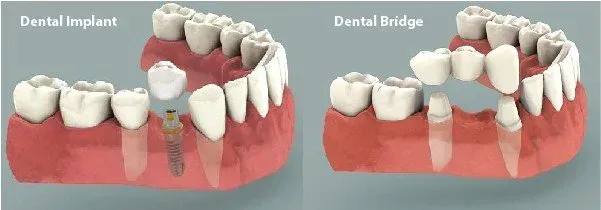
Think of dental implants as artificial tooth roots, usually made of titanium, that get screwed into your jawbone. Once they’re in, they act as a solid base for a crown or bridge.
Now, dental bridges are like false teeth that chill between your existing teeth, using them for support. They’re typically crafted from stuff like porcelain, and they fill in that gap, so you’re not walking around with a missing tooth.
The Upsides and Downsides
Both implants and bridges can give you a natural-looking smile, but they each come with their own perks and quirks.
Dental Implants:
- Pros:
- Implants are super durable and can potentially last a lifetime if you treat them right. Some can even last 30 years or longer.
- They help keep your jawbone healthy by preventing bone loss.
- Implants don’t mess with your surrounding teeth. They’re like solo acts, standing on their own without needing support from the neighbors.
- They look and feel just like your natural teeth.
- Cons:
- Implants require surgery to get them in place, which can be a deal-breaker for some.
- The whole process can take a few months because you need time to heal after the implant is placed.
- Implants can be pricier upfront compared to bridges.
Dental Bridges:
- Pros:
- Getting a bridge is usually faster than getting an implant. We’re talking a couple of visits to the dentist, and you’re good to go.
- No surgery is needed, which is a win if you’re not a fan of going under the knife.
- Bridges are often more budget-friendly when you look at the initial cost.
- Cons:
- Bridges might need replacing every 5 to 15 years, so they’re not as long-lasting as implants.
- They can put extra stress on your adjacent teeth, making them more prone to decay.
- You might find it trickier to keep things clean around a bridge, which could lead to gum disease.
- Bridges don’t prevent bone loss in your jaw.
What to Think About When You’re Deciding
Choosing between implants and bridges isn’t always a walk in the park. Here are some things to mull over:
- Cost: Bridges might seem cheaper at first glance. Implants might save you some dough in the long run because they tend to last longer.
- Durability: Implants are the marathon runners here. Bridges are more like sprinters, needing replacement down the road.
- Your Overall Health: If you’re not a good candidate for surgery, a bridge might be the way to go.
- Impact on Nearby Teeth: Bridges can be a bit invasive since they need support from adjacent teeth. Implants, on the other hand, leave your other teeth alone.
- Bone Health: Implants help keep your jawbone in good shape, while bridges don’t really do much in that department.
Expert Advice
So, what’s the bottom line? Well, it really hinges on your own situation. If you’re after a long-term fix and your jawbone is in good nick, an implant could be a solid choice. But if you’re looking for a quicker, less invasive option, a bridge might be more up your alley.
Chatting with your dentist is key. They’ll give you the lowdown based on your oral health and help you make a call that’ll keep your smile shining bright.
conclusion
Choosing between dental implants and bridges can be a significant decision when it comes to replacing missing teeth. Both options have their unique advantages and disadvantages, making it essential to consider your personal needs and circumstances.
Dental implants are often regarded as a long-term solution. They provide durability, mimic the appearance of natural teeth, and do not affect adjacent teeth. However, the process involves surgery, which can be time-consuming and costly. On the other hand, dental bridges offer a quicker and less invasive alternative. They can be more affordable upfront but may require replacement every few years and can put stress on neighboring teeth.
When deciding between these two options, consider factors such as cost, durability, your overall health, and the impact on surrounding teeth. Consulting with a dental professional is crucial to determine which option aligns best with your specific situation.
In summary, there is no one-size-fits-all answer to the question of whether dental implants or bridges are better. Your choice will depend on your individual goals for treatment, budget, and the condition of your oral health. Reaching out to a qualified dental clinic can provide personalized recommendations that cater to your needs, ensuring you make an informed decision that leads to a healthy and confident smile.